How a wholesale order works
You do not have to know the model, the HS code or the Incoterm. You have to know who will drink the coffee and how many machines you need. The rest is our job.
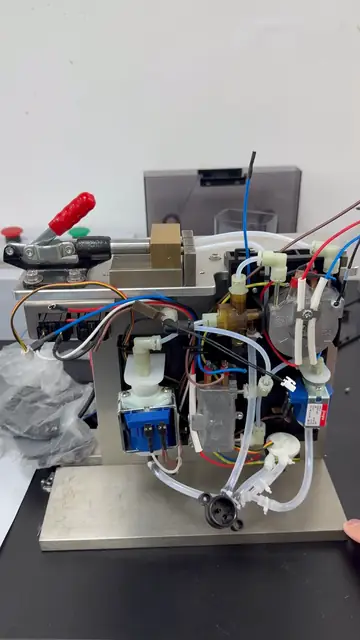
Seven steps
- Message
Type, quantity, country. A photo of a machine you like helps.
- Short list
Two or three models with prices for your quantity and for a full container.
- Landed cost
Freight, duty, VAT and certificates for your port.
- Sample
One to three units by air. You test, we note changes.
- Order
Voltage, plug, language, logo, box, spare parts and inspection points are written down. Deposit.
- Production and inspection
Photos and video from the line, function test, packing check. Balance.
- Shipping
Loading photos, bill of lading, invoice, packing list, certificate of origin, test reports.
Typical timing
| Stage | Time | What can move it |
|---|---|---|
| Calculation | a few days | Rare models need a fresh factory quote |
| Sample | 1–3 weeks | Logo samples take longer |
| Production | 30–70 days | Season, custom colour, board software |
| Inspection | 2–4 days | Re-check after repairs |
| Sea freight | 2–5 weeks | Port, transshipment, congestion |
| Customs | 3–10 days | Certificates issued late |
The second order is faster: no sample, no artwork, certificates are in place.
Payment
Factories work with a deposit, usually 30 percent, and the balance before loading. We collect the proof of production and inspection before you pay the balance. Small trial batches are often paid in full in advance.
Who does what under each term
- FOB. We deliver to the ship. Your forwarder does the rest.
- CIF. We pay freight and insurance to your port. You clear customs.
- Door delivery. Where a partner can be importer of record, we quote to your warehouse.
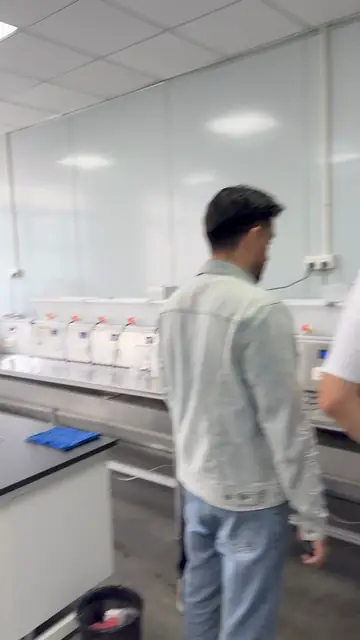
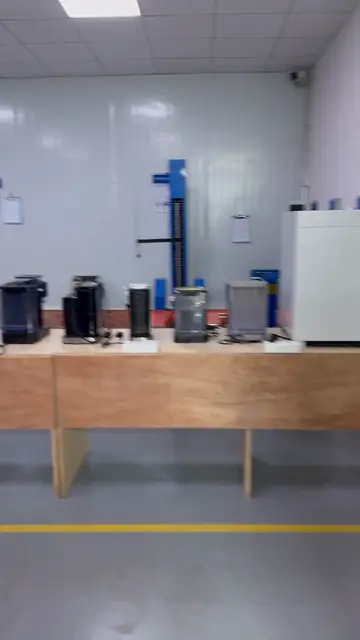
Control you can watch
We send clips like these from your own batch.
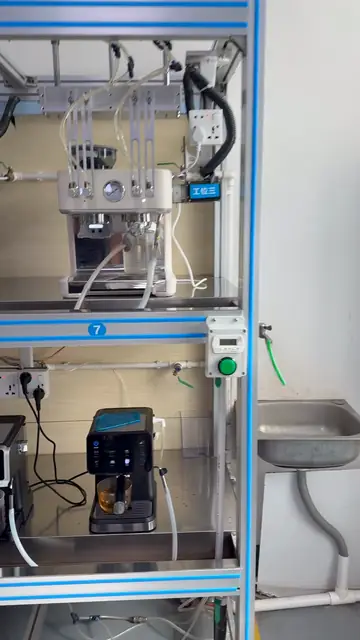
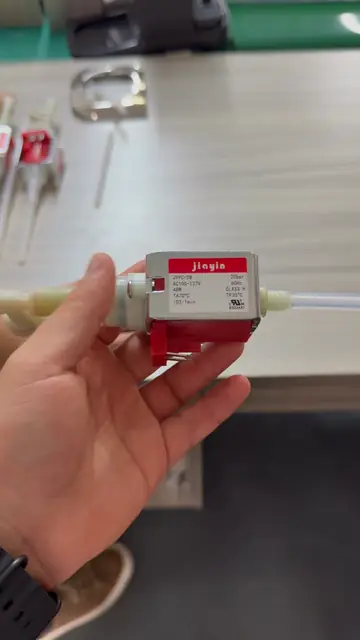
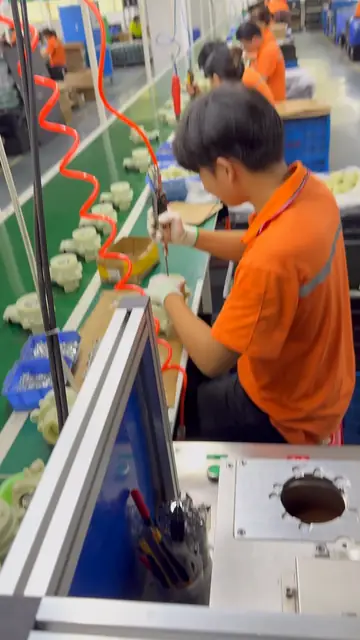
What we check before loading
- Rating label: voltage, frequency, power
- Plug and cable
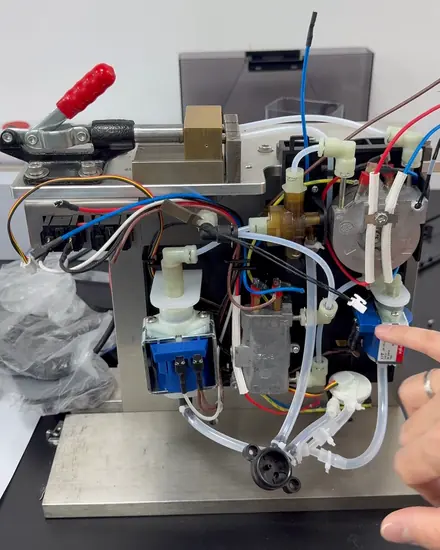
- Pump pressure and leak test on a random sample
- Grinder: noise and dose
- Screen language and factory reset
- Carton strength, barcode, Arabic print
- Spare parts box, counted and photographed
Questions buyers ask
Can I skip the sample?
You can, but we advise against it for a new model. The sample shows noise, smell of plastic and real coffee temperature, which a photo cannot.
What if the machines arrive with a defect?
We compare with the inspection file. Defective parts are covered by the spare parts kit or sent by air, depending on the contract.
Can I bring my own inspector?
Yes. Give us the name and date, we arrange access.
Do you consolidate from several factories?
Yes, through a warehouse in Guangdong. It adds handling cost and a few days.
Tell us what you need
One WhatsApp message is enough: type of machine, quantity, city. We reply with models and a price calculation.